Muscle Group Exercises: Tap a Muscle to Find the Right Move
Tap a muscle on the interactive map to see matching moves, or browse the full library of 108 exercises with photos, step-by-step instructions and muscles worked.
TL;DR
Find muscle group exercises for chest, back, legs, arms, shoulders and core in this 108-exercise library. Tap the interactive muscle map to filter by muscle, or browse by equipment. Each exercise page shows the muscles worked on a body diagram, photos of the start and end position and step-by-step instructions.
Filter by muscle
Tap a muscle to filter the list below.
Equipment
108 exercises
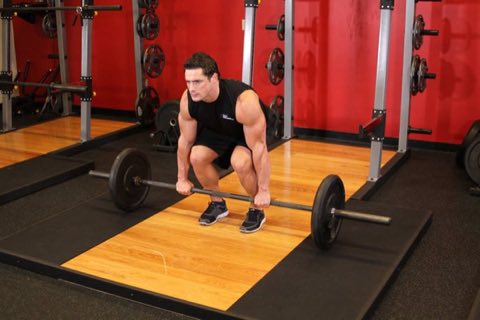 DeadliftLower back · Barbell
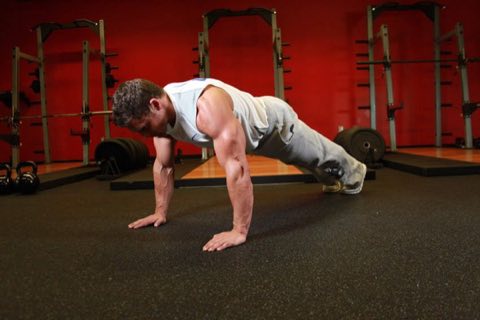 Push-UpChest · Bodyweight
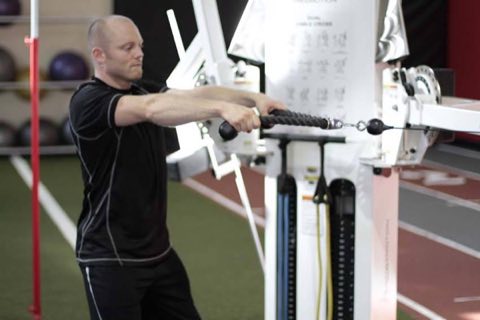 Face PullShoulders · Cable
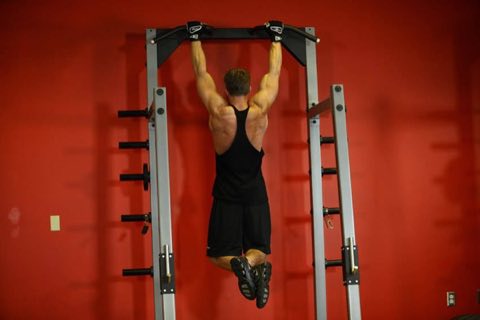 Pull-UpLats · Bodyweight
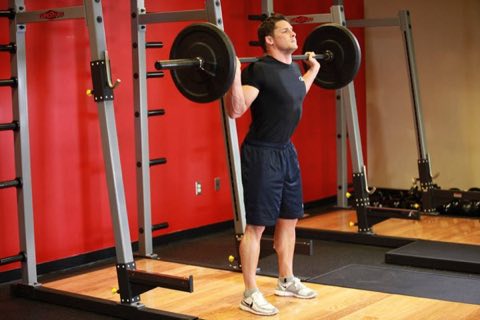 SquatQuadriceps · Barbell
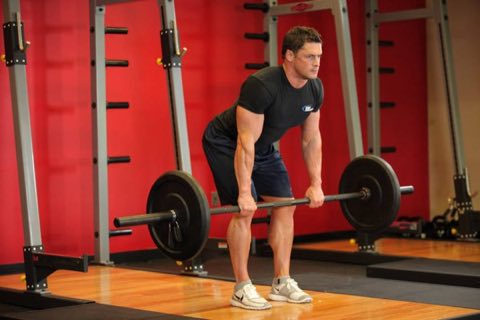 Bent-Over RowMiddle back · Barbell
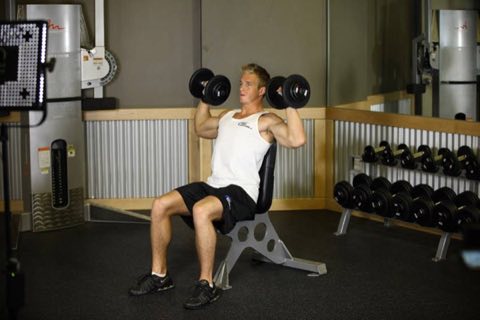 Shoulder PressShoulders · Dumbbell
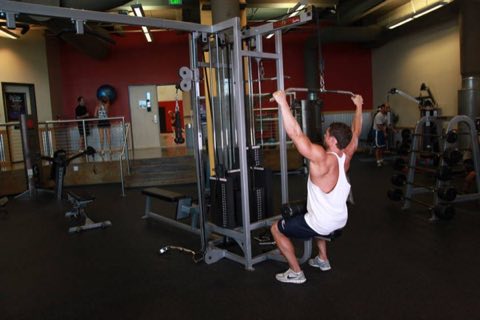 Lat PulldownLats · Cable
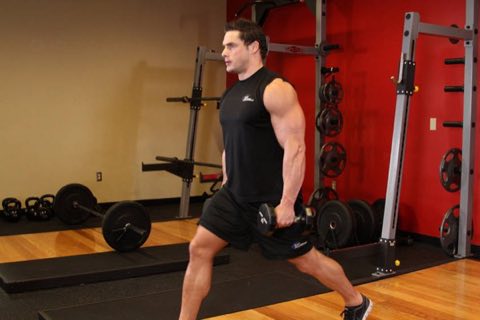 LungeQuadriceps · Dumbbell
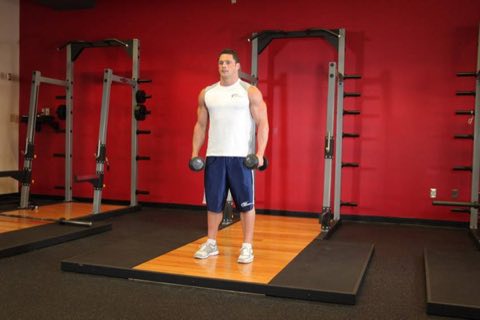 Lateral RaiseShoulders · Dumbbell
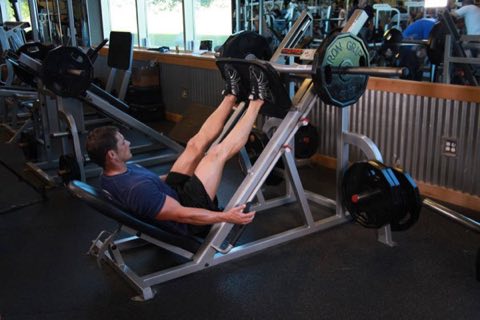 Leg PressQuadriceps · Machine
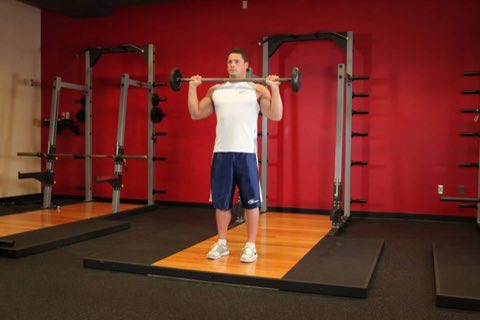 Overhead PressShoulders · Barbell
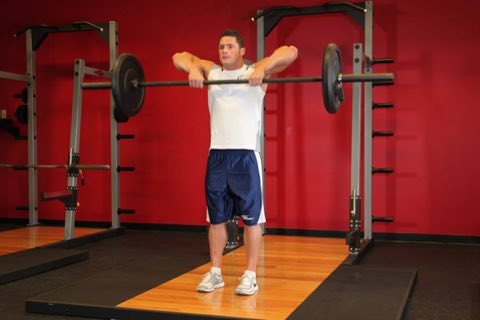 Upright RowShoulders · Barbell
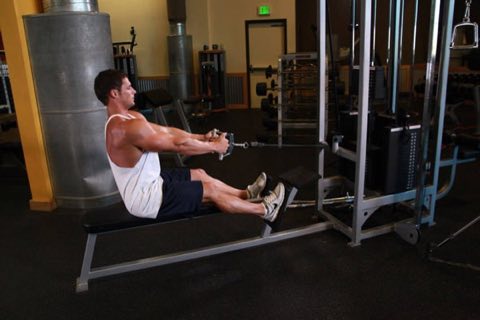 Seated Cable RowMiddle back · Cable
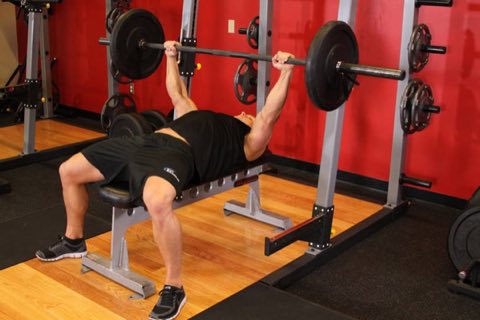 Bench PressChest · Barbell
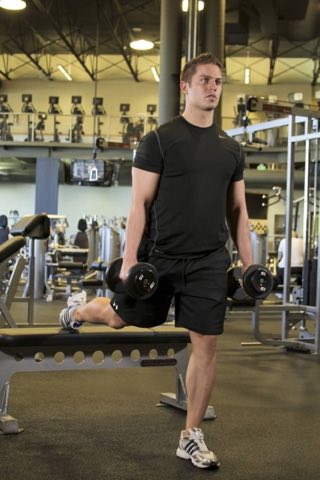 Bulgarian Split SquatQuadriceps · Dumbbell
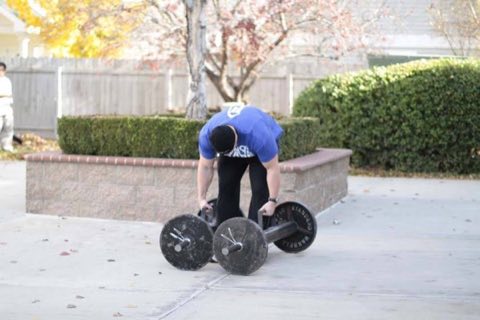 Farmer's WalkForearms · Other
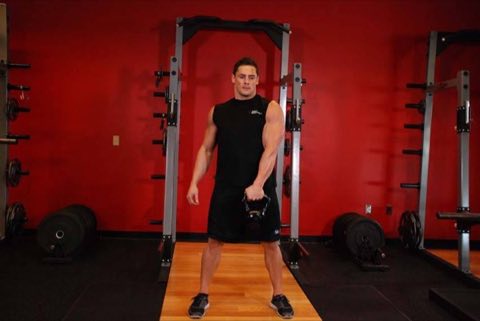 Kettlebell SwingHamstrings · Kettlebell
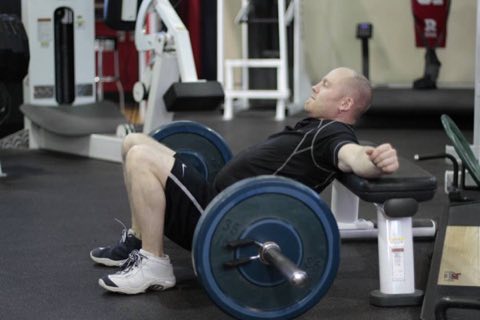 Hip ThrustGlutes · Barbell
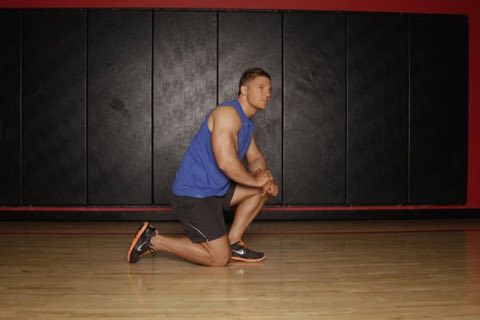 PlankAbdominals · Bodyweight
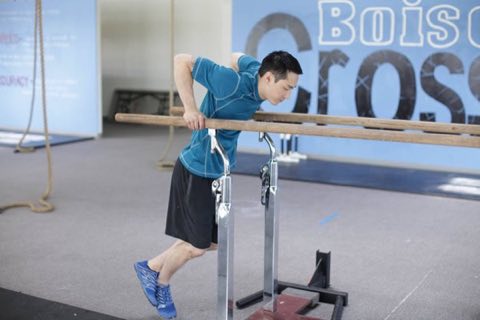 DipsTriceps · Other
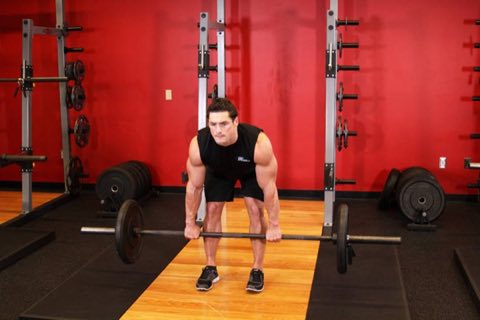 Romanian DeadliftHamstrings · Barbell
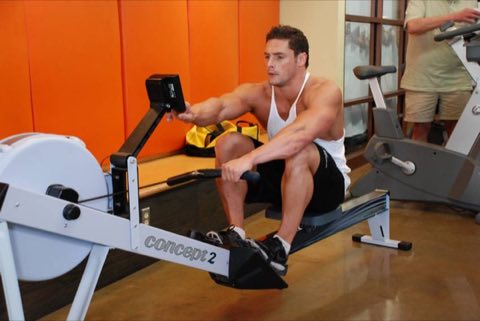 Rowing MachineQuadriceps · Machine
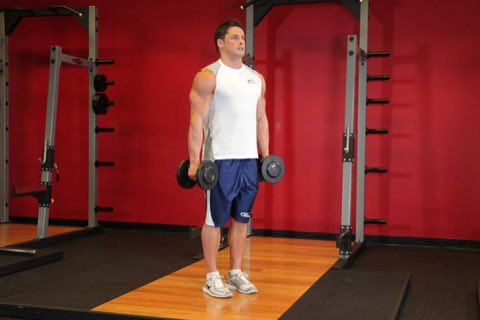 Hammer CurlBiceps · Dumbbell
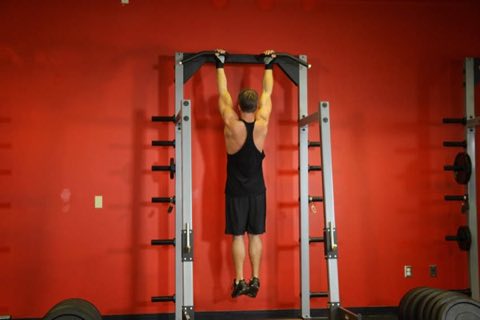 Chin-UpLats · Bodyweight
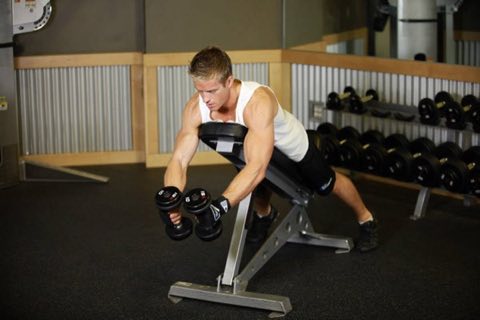 Reverse FlyShoulders · Dumbbell
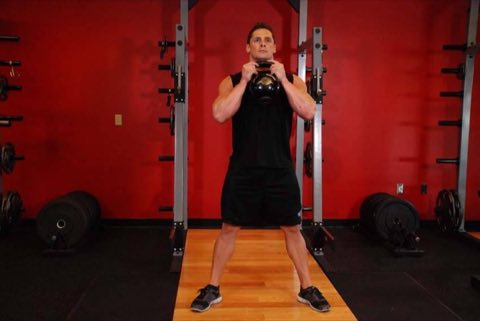 Goblet SquatQuadriceps · Kettlebell
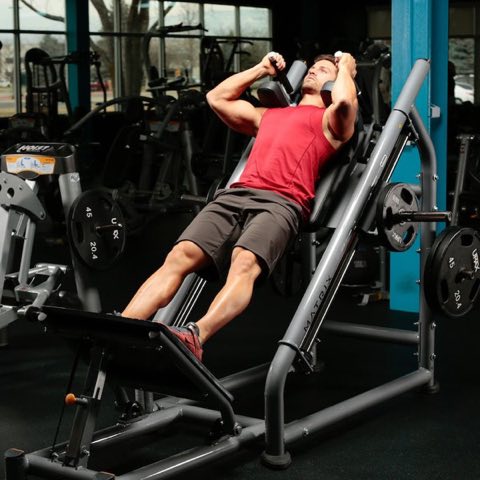 Hack SquatQuadriceps · Machine
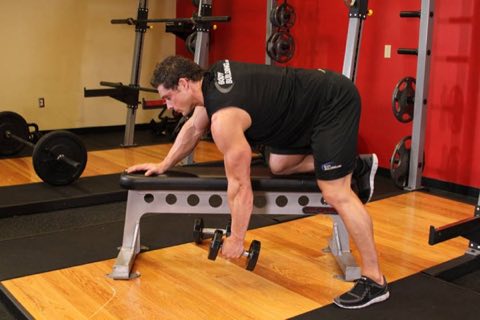 Dumbbell RowMiddle back · Dumbbell
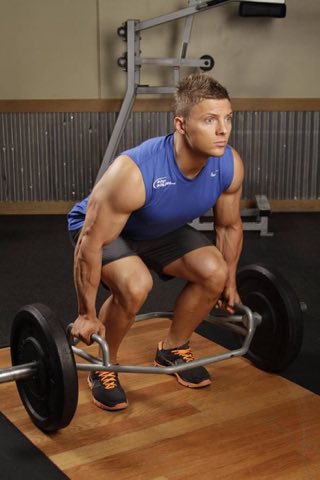 Trap Bar DeadliftQuadriceps · Other
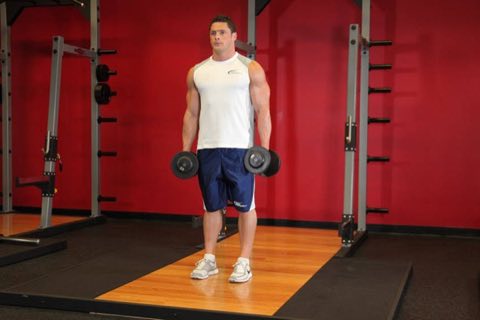 Reverse LungeQuadriceps · Dumbbell
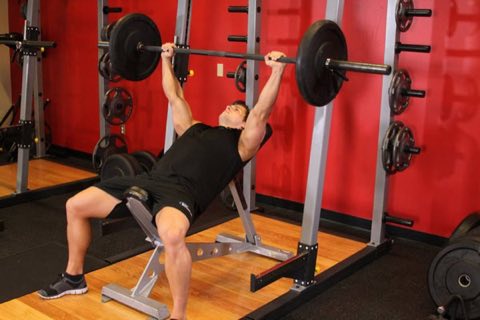 Incline Bench PressChest · Barbell
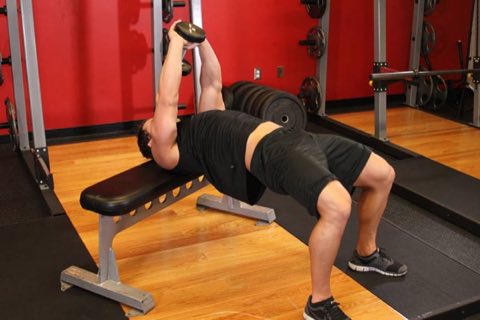 Dumbbell PulloverChest · Dumbbell
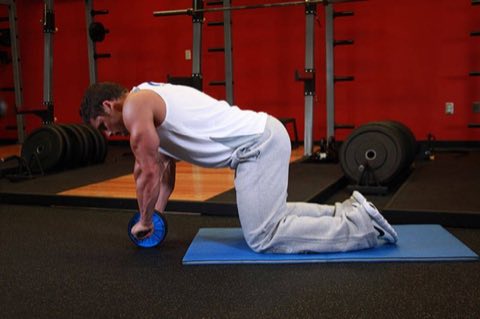 Ab Wheel RolloutAbdominals · Other
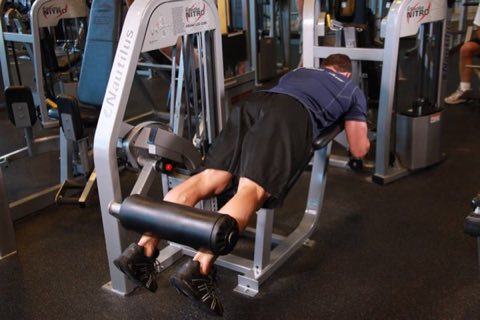 Leg CurlHamstrings · Machine
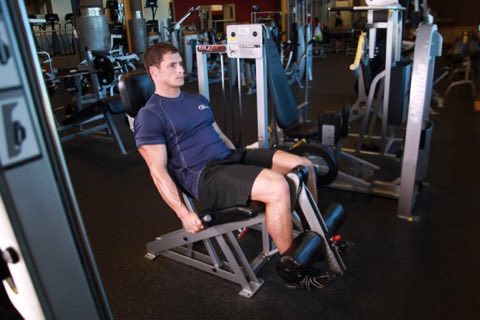 Leg ExtensionQuadriceps · Machine
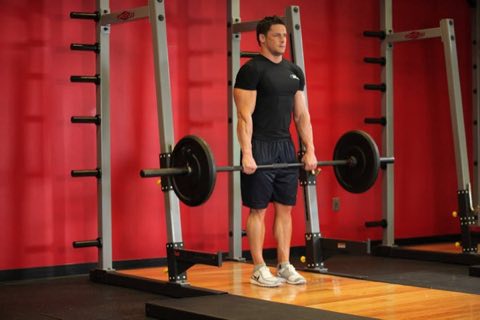 ShrugTraps · Barbell
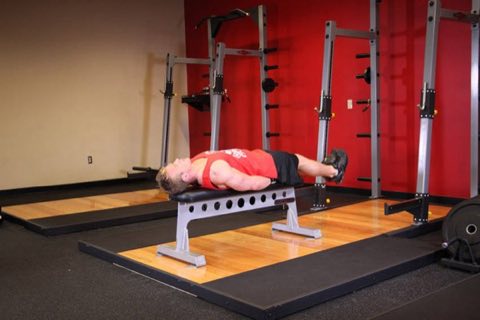 Lying Leg RaiseAbdominals · Bodyweight
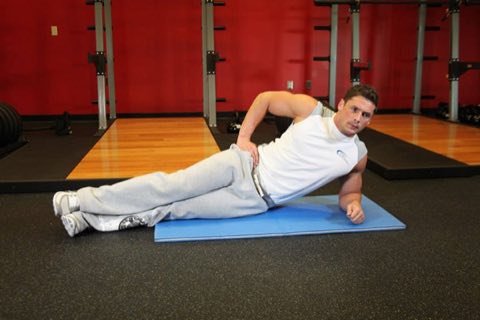 Side PlankAbdominals · Bodyweight
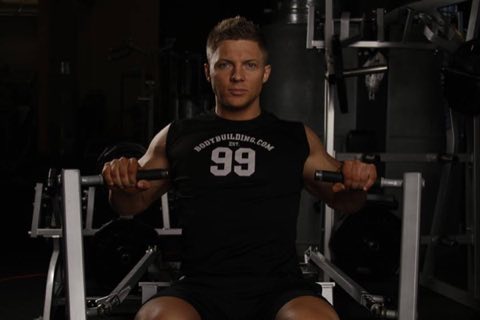 Chest Press MachineChest · Machine
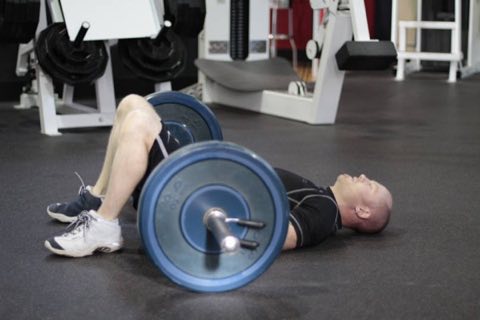 Glute BridgeGlutes · Barbell
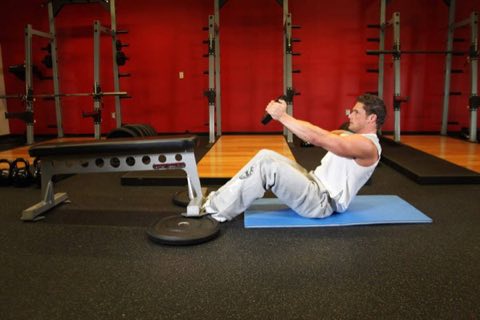 Russian TwistAbdominals · Bodyweight
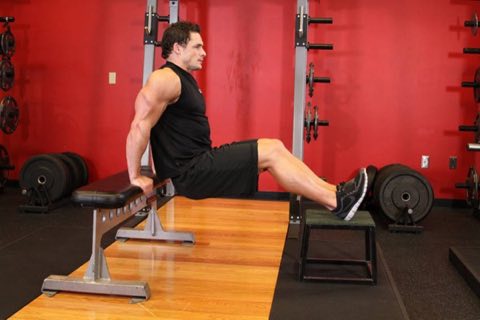 Bench DipTriceps · Bodyweight
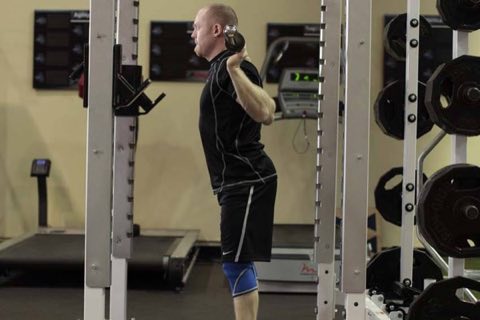 Good MorningHamstrings · Barbell
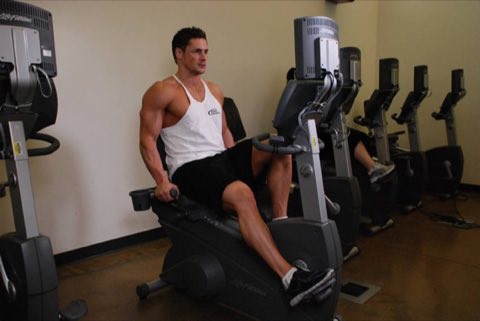 Recumbent BikeQuadriceps · Machine
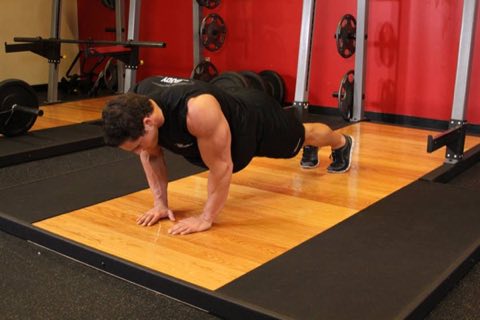 Diamond Push-UpTriceps · Bodyweight
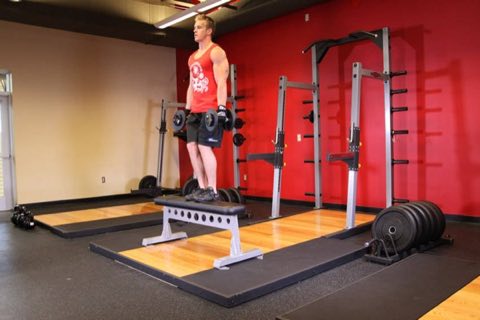 Step-UpQuadriceps · Dumbbell
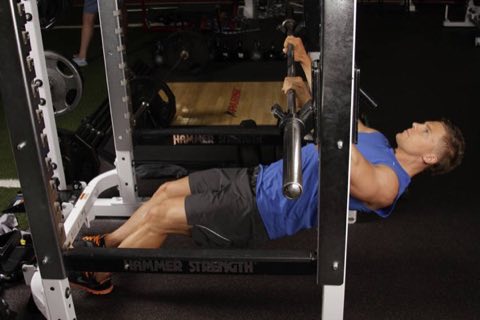 Inverted RowMiddle back · Other
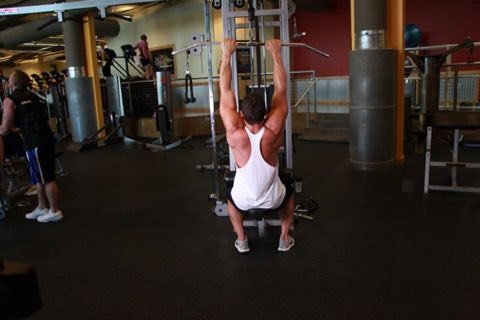 Close-Grip Lat PulldownLats · Cable
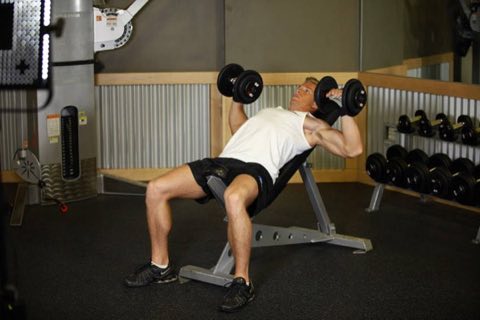 Incline Dumbbell PressChest · Dumbbell
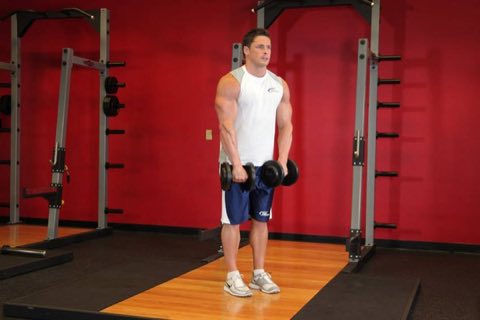 Front RaiseShoulders · Dumbbell
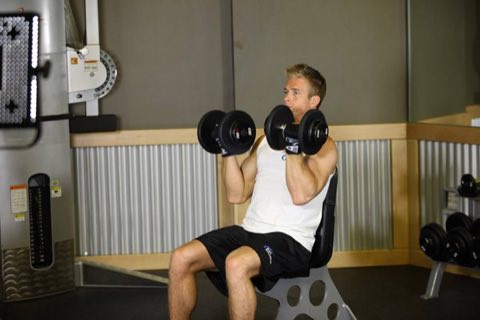 Arnold PressShoulders · Dumbbell
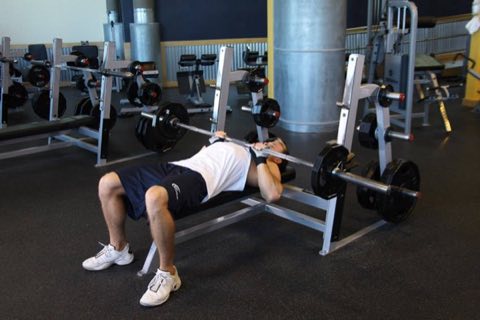 Close-Grip Bench PressTriceps · Barbell
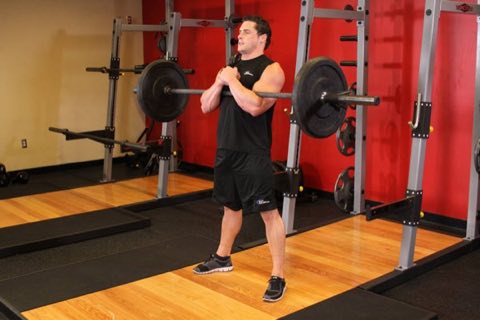 Zercher SquatQuadriceps · Barbell
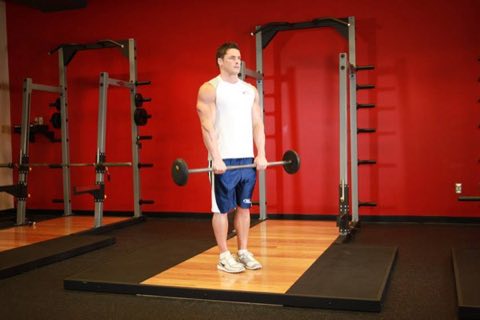 Reverse CurlBiceps · Barbell
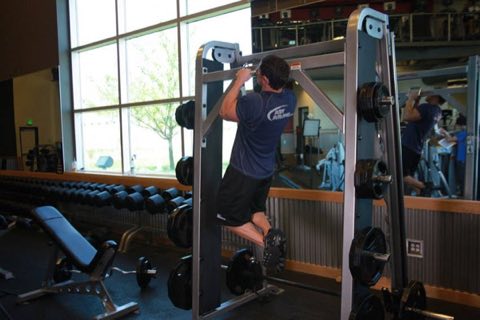 Neutral-Grip Pull-UpLats · Bodyweight
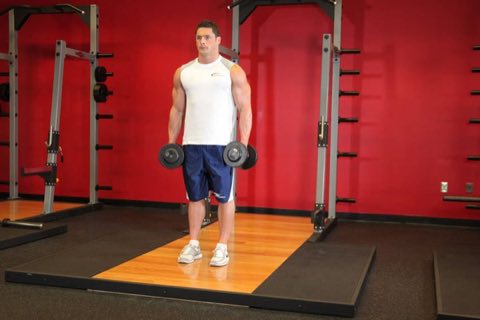 Bicep CurlBiceps · Dumbbell
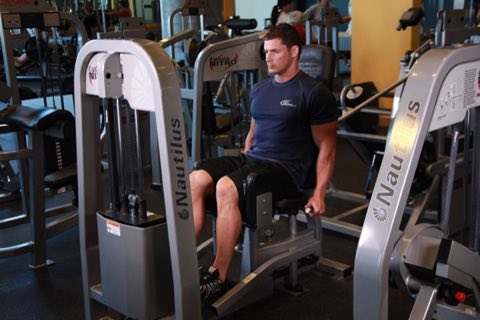 Hip Abduction MachineAbductors · Machine
 Hanging Leg RaiseAbdominals · Bodyweight
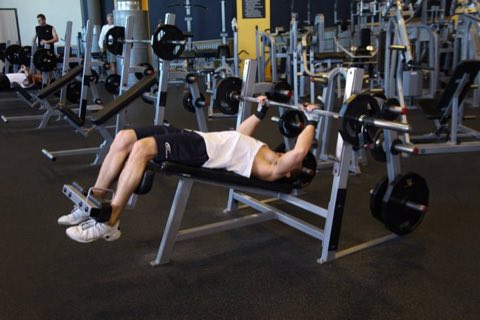 Decline Bench PressChest · Barbell
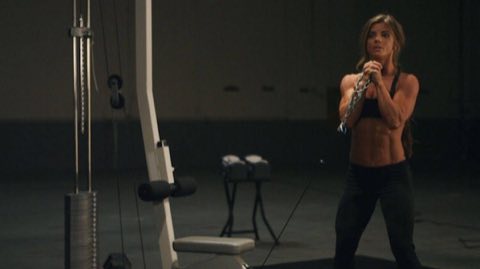 Pallof PressAbdominals · Cable
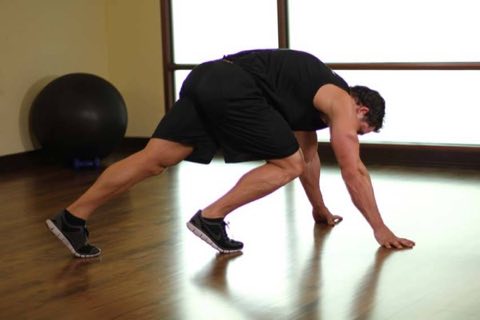 Mountain ClimberQuadriceps · Other
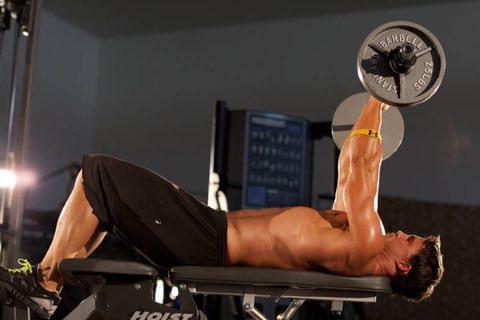 Skull CrusherTriceps · EZ curl bar
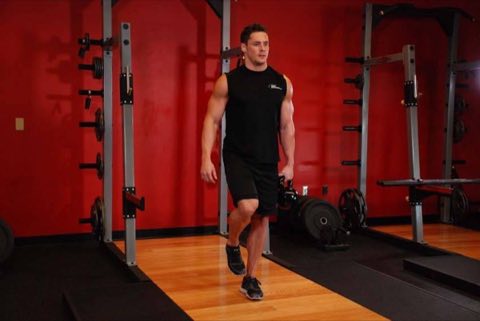 Single-Leg Romanian DeadliftHamstrings · Kettlebell
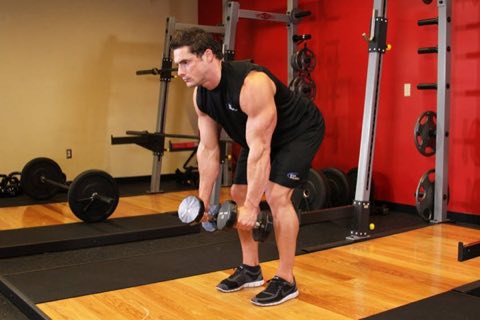 Bent-Over Dumbbell RowMiddle back · Dumbbell
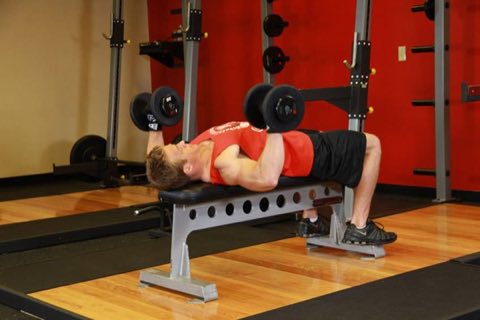 Dumbbell Bench PressChest · Dumbbell
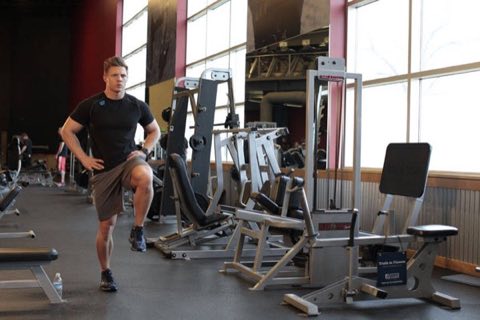 Walking LungeQuadriceps · Other
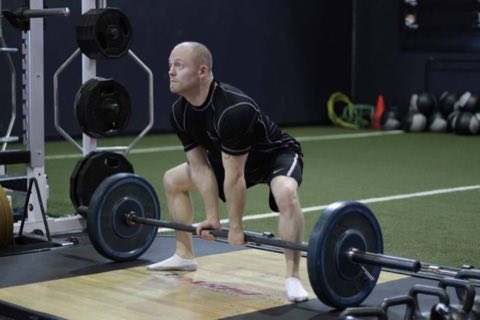 Sumo DeadliftHamstrings · Barbell
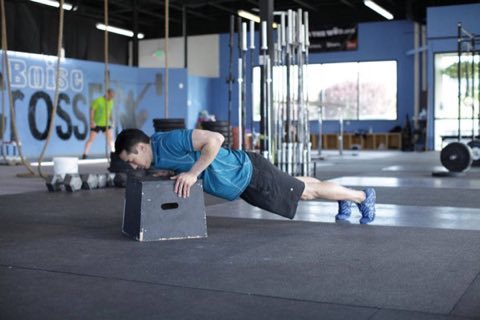 Incline Push-UpChest · Bodyweight
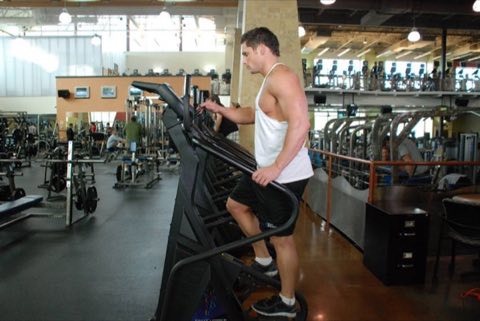 StairMasterQuadriceps · Machine
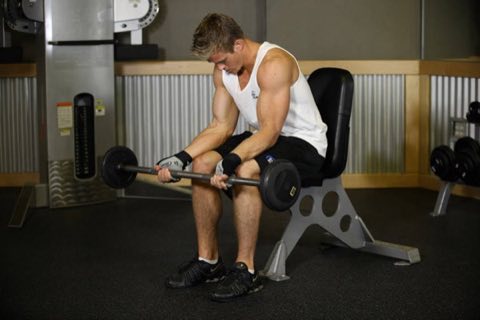 Wrist CurlForearms · Barbell
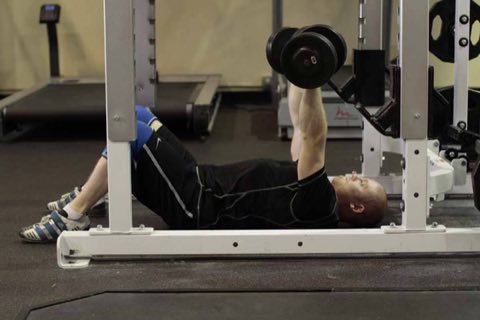 Dumbbell Floor PressTriceps · Dumbbell
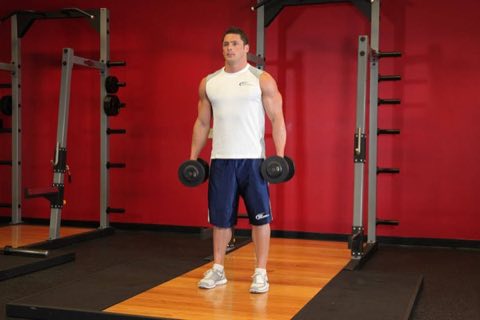 Dumbbell SquatQuadriceps · Dumbbell
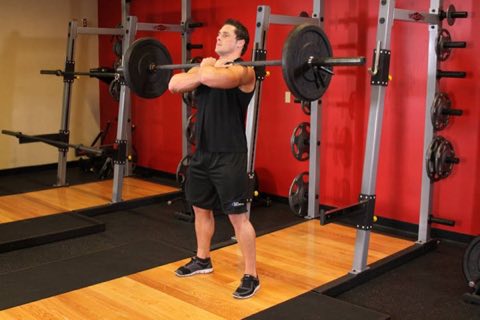 Front SquatQuadriceps · Barbell
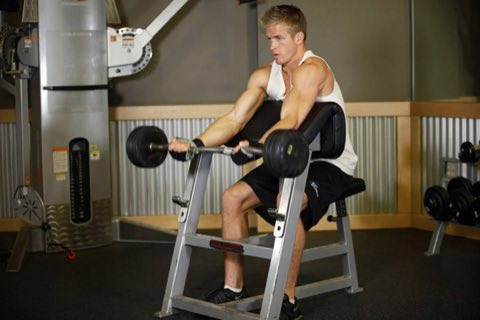 Preacher CurlBiceps · Barbell
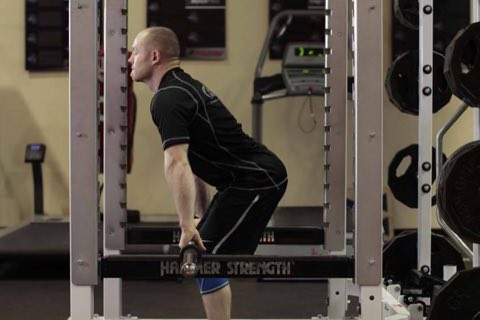 Rack PullLower back · Barbell
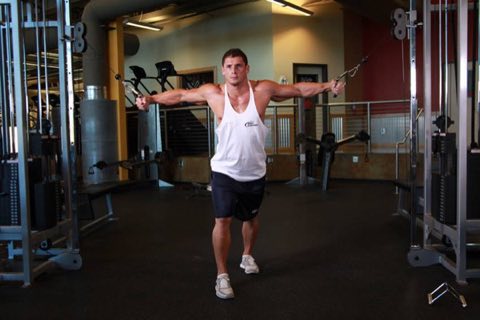 Cable FlyChest · Cable
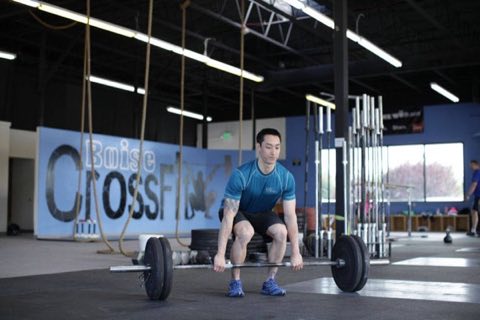 Power CleanHamstrings · Barbell
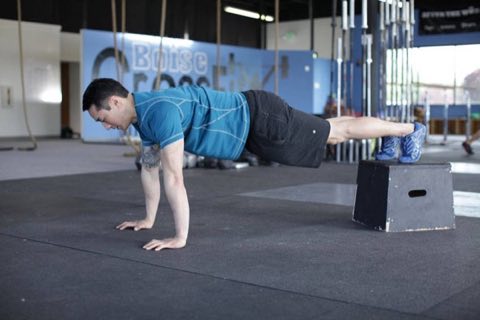 Decline Push-UpChest · Other
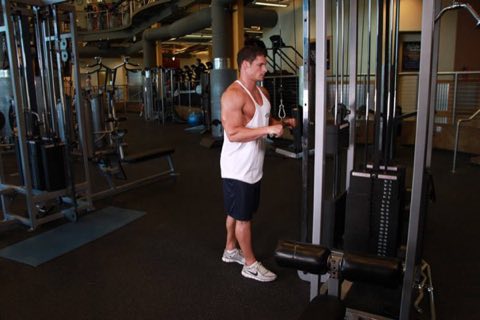 Tricep PushdownTriceps · Cable
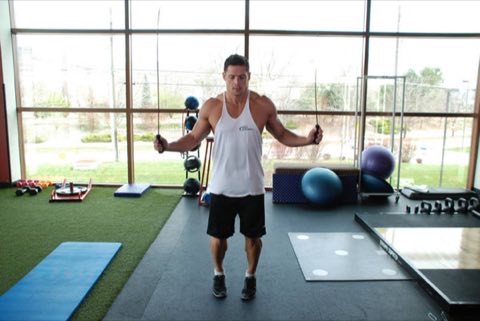 Jump RopeQuadriceps · Other
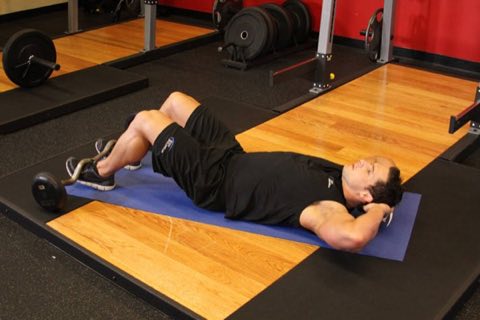 Sit-UpAbdominals · Bodyweight
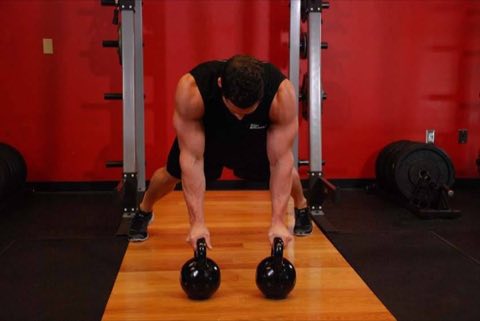 Renegade RowMiddle back · Kettlebell
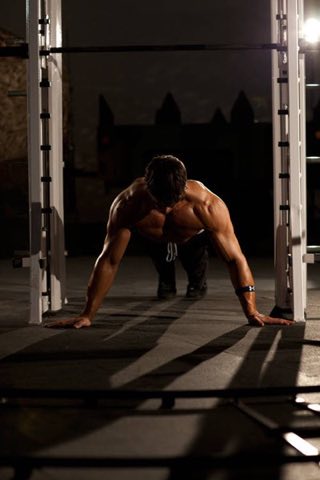 Wide Push-UpChest · Bodyweight
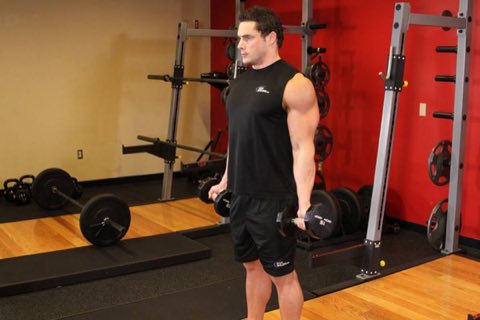 Zottman CurlBiceps · Dumbbell
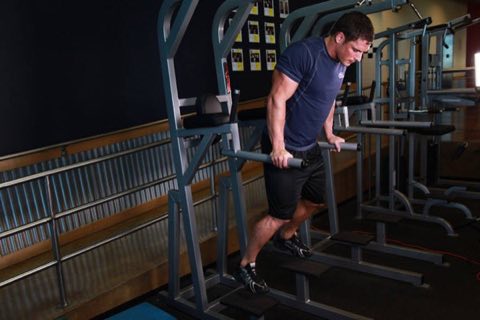 Chest DipChest · Other
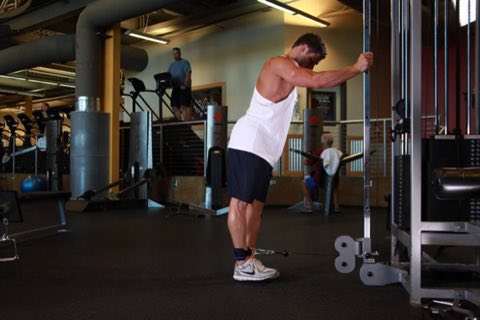 Cable KickbackGlutes · Cable
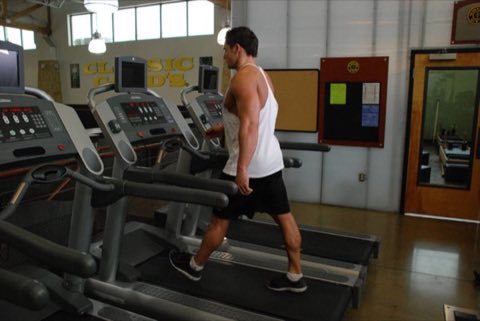 Treadmill WalkingQuadriceps · Machine
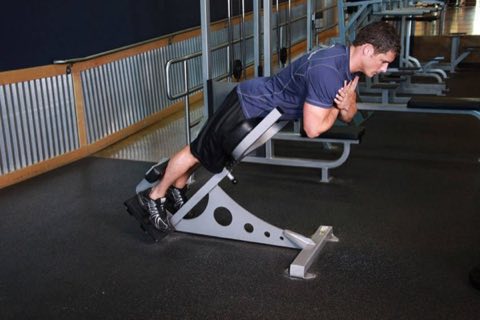 Back ExtensionLower back · Other
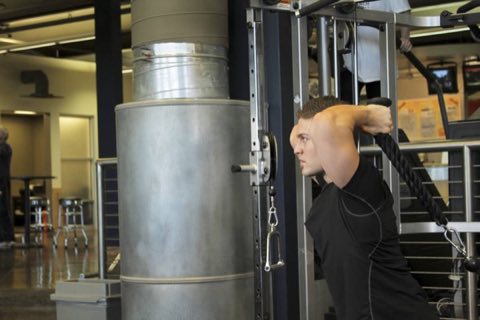 Overhead Tricep ExtensionTriceps · Cable
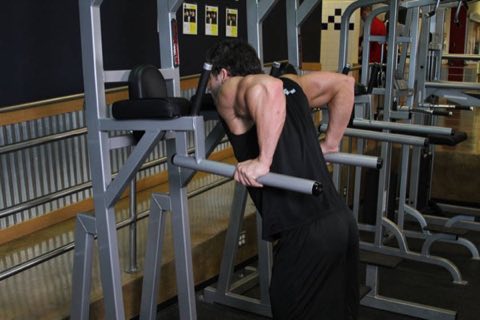 Tricep DipTriceps · Bodyweight
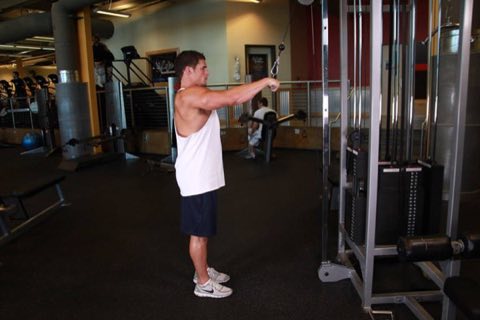 Straight-Arm PulldownLats · Cable
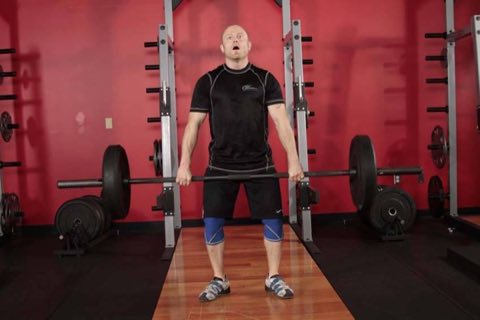 Hang CleanQuadriceps · Barbell
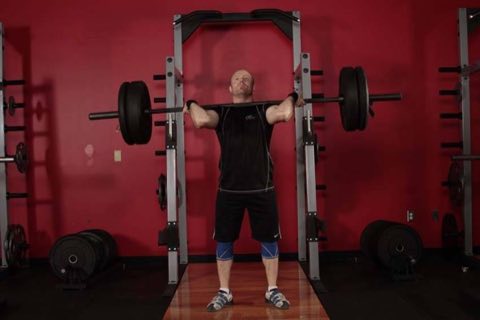 Push PressShoulders · Barbell
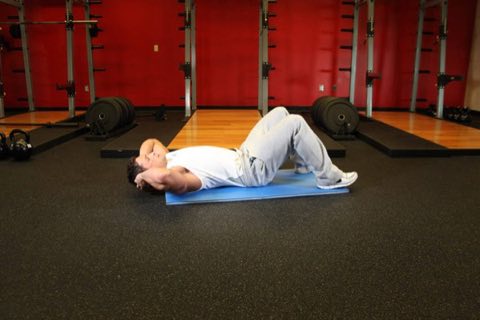 CrunchAbdominals · Bodyweight
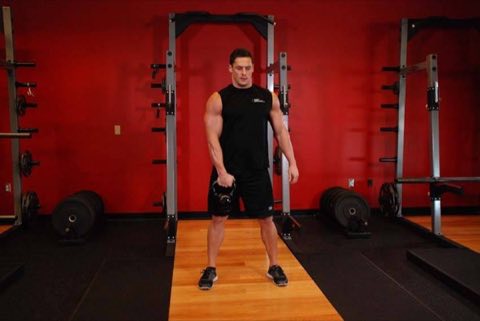 Kettlebell SnatchShoulders · Kettlebell
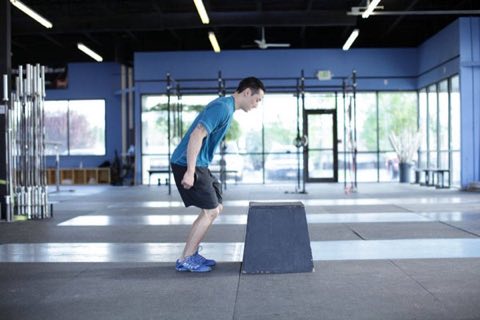 Box JumpHamstrings · Other
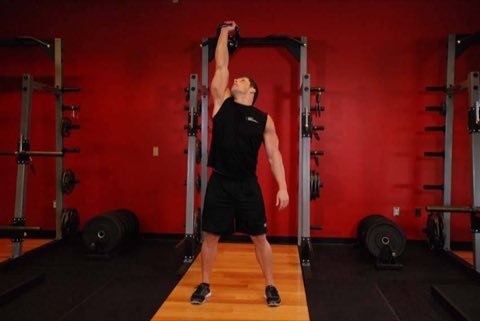 Kettlebell WindmillAbdominals · Kettlebell
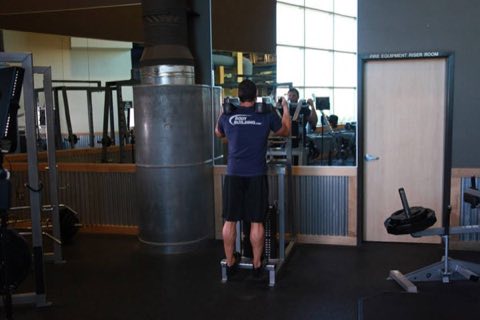 Calf RaiseCalves · Machine
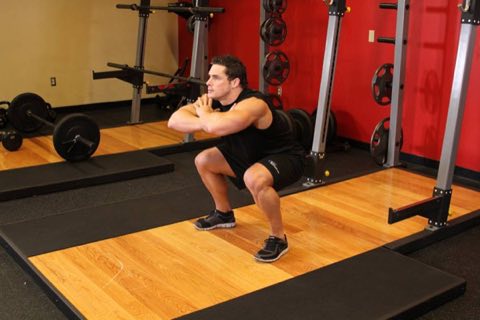 Jump SquatQuadriceps · Bodyweight
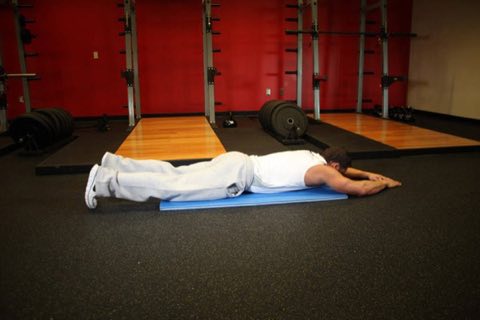 SupermanLower back · Bodyweight
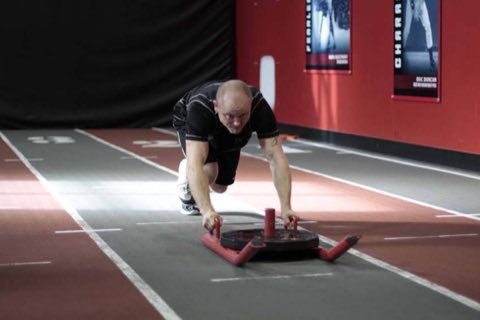 Sled PushQuadriceps · Other
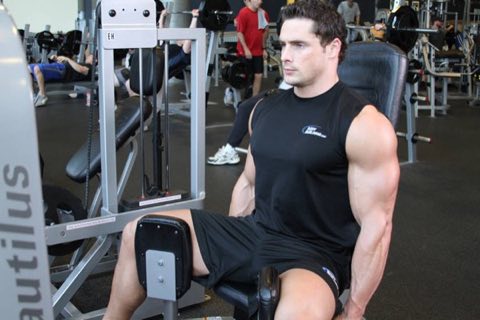 Hip Adduction MachineAdductors · Machine
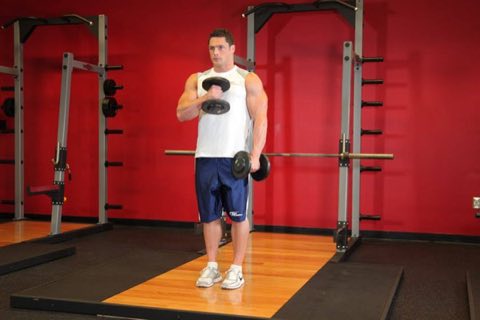 Cross-Body Hammer CurlBiceps · Dumbbell
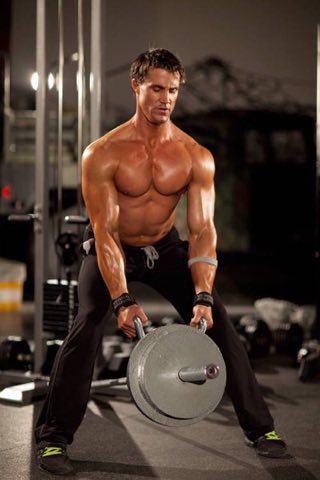 T-Bar RowMiddle back · Barbell
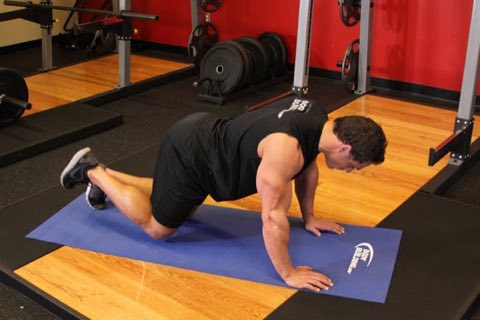 Glute KickbackGlutes · Bodyweight
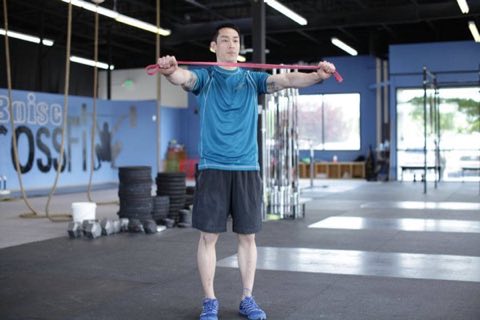 Band Pull-ApartShoulders · Resistance bands
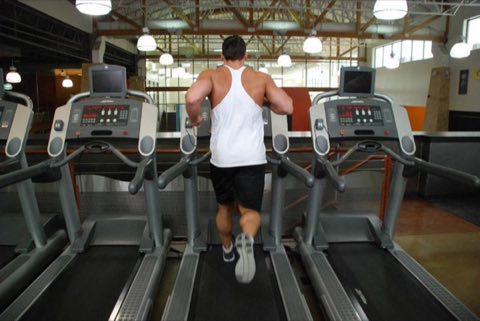 Treadmill RunningQuadriceps · Machine

Bring These Exercises Into Your Workouts
PR Streak's library has 873 exercises, each with photos and step-by-step instructions, and you can add your own if one isn't there. Log a few sets and see how many sets each muscle got this week.


How do I use the interactive muscle map?
Tap any muscle on the front or back body diagram and the list below filters to exercises that train it. Tap the same muscle again, or tap All muscles, to clear the filter. Use the equipment dropdown to narrow the list further, to only barbell, dumbbell, bodyweight, machine, cable, kettlebell or resistance band exercises.
For example, tap Lower back and the Deadlift shows up as a top match. Tap Shoulders and you'll find moves like the Face Pull. Each result card shows the exercise name, its primary muscle, its equipment and its level, so you can scan the list before opening a page for the full instructions.
What do the major muscle groups do?
Each muscle group has a job in how you move. Here's a plain-English look at what the major groups on the muscle chart do, from chest and shoulders down to the calves.
- Chest: presses your arms forward and across your body, the main mover in the bench press and push-up.
- Shoulders: raises your arms out to the side and overhead, and stabilizes the shoulder joint in almost every pressing and pulling move.
- Biceps: bends your elbow and rotates your forearm, the main mover in any curl.
- Triceps: straightens your elbow, the main mover in any press or pushdown.
- Forearms: bends your wrist and closes your grip, working hard on every pull and carry.
- Abs: flexes your spine and braces your trunk, stabilizing your torso during squats and presses.
- Upper back: pulls your arms down and back, the main mover in rows and pull-ups.
- Traps: shrugs and rotates your shoulder blades and supports your neck and upper spine.
- Lower back: extends your spine and hips, holding your torso upright during deadlifts and squats.
- Glutes: extends your hip, the main mover in squats, deadlifts and hip thrusts.
- Quads: straightens your knee, the main mover in squats, lunges and leg presses.
- Hamstrings: bends your knee and extends your hip, working hard in deadlifts and leg curls.
- Adductors: pulls your leg in toward your body's midline, stabilizing your hips during squats and lunges.
- Calves: points your foot down, the main mover in any calf raise or jump.
What's the difference between primary and secondary muscles?
Every exercise page highlights two kinds of muscles on the body diagram. The primary muscle is the main mover, the muscle doing most of the work to complete the movement.
Secondary muscles assist the movement or stabilize your body while the primary muscle does the heavy lifting. An exercise's primary muscle usually matches the muscle group you tapped on the map, and its secondary muscles are listed underneath so you can see everything a single move trains.
How do you choose exercises for each muscle group?
Exercises come in two types. A compound exercise moves more than one joint and trains several muscles at once, like a squat or a bench press. An isolation exercise moves a single joint and targets one muscle, like a bicep curl or a leg extension.
Start with compound exercises for the muscle group you're training, since they let you lift the most weight while your energy is fresh. Add isolation exercises afterward to target a muscle that needs extra work, like triceps after pressing or hamstrings after squats. Compound vs. isolation exercises breaks down when to use each.
How do you put muscle group exercises into a workout?
Pair muscle groups that work well in the same session, like chest with triceps or back with biceps, so one set of equipment covers several exercises in a row. See muscle groups to work out together for common pairings.
How many reps you do per exercise depends on your goal. NSCA guidelines put strength work at 85% of your one-rep max or more for 6 reps or fewer, hypertrophy (muscle-building) work at 67-85% for 6-12 reps, and muscular endurance work at 67% or less for 12 or more reps. Use the 1RM calculator to turn these percentages into a working weight.

Used by lifters following PPL, 5x5, upper/lower, and more.
Frequently Asked Questions
How many muscle groups are there?
There's no single fixed number since different guides group muscles differently. This exercise library uses 14 major muscle groups: chest, shoulders, biceps, triceps, forearms, abs, upper back, traps, lower back, glutes, quads, hamstrings, adductors and calves, all filterable on the interactive muscle map.
What's the difference between primary and secondary muscles in an exercise?
The primary muscle is the main mover, the muscle doing most of the work to complete the movement. Secondary muscles assist or stabilize while the primary muscle does the heavy lifting. Every exercise page in this library highlights both on the body diagram, so you can see everything a move trains.
What's the difference between a compound and an isolation exercise?
A compound exercise moves more than one joint and trains several muscles at once, like a squat, deadlift or bench press. An isolation exercise moves a single joint and targets one muscle, like a bicep curl or leg extension. Most workouts use both: compound lifts as the main work and isolation moves to finish a muscle group.
How do I find exercises for a specific muscle?
Tap that muscle on the front or back body diagram above the exercise list, and the list filters to exercises that train it. Tap the muscle again, or tap All muscles, to clear the filter and see the full library of 108 exercises.
Can I filter exercises by equipment?
Yes. Use the equipment dropdown above the muscle map to show only exercises that use a specific piece of gear, like barbell, dumbbell, bodyweight, machine, cable, kettlebell, bands or an EZ curl bar. Combine it with a muscle filter to find, for example, only dumbbell exercises for your shoulders.
How many exercises should I do per muscle group in a workout?
There's no single right number, it depends on your goal, experience and the rest of your split. A common approach is 1-3 exercises per muscle group in a session, pairing a compound lift with an isolation move if that muscle needs extra attention.
What does "level" mean on an exercise page?
It's a rough gauge of technical difficulty and coordination, not how much weight you lift. Beginner exercises are straightforward movement patterns, intermediate exercises add more moving parts or balance demands, and expert exercises need more skill, mobility or stability to perform safely.
Sources
More Free Tools
1RM Calculator
Estimate your one-rep max from any set, with a rep-max chart and NSCA training percentages.
Strength Calculator
See your squat, bench and deadlift percentile against real competitive lifters in your weight class.
RPE Calculator
Convert RPE to a percentage of your 1RM, or find the load for a target reps and RPE.
Plate Calculator
Find which plates to load per side, count what's on the bar, or build a warm-up ramp, in lb or kg.
DOTS Calculator
Calculate your DOTS score, Wilks score and IPF GL points from your bodyweight and total.
FFMI Calculator
Calculate your FFMI and normalized FFMI, and see how your muscle mass compares to population percentiles by sex.
